Maternal and child health
Empowering Futures: Skilling & Supporting Teenage Mothers in Kamuli
- 25
- 25
Project Description
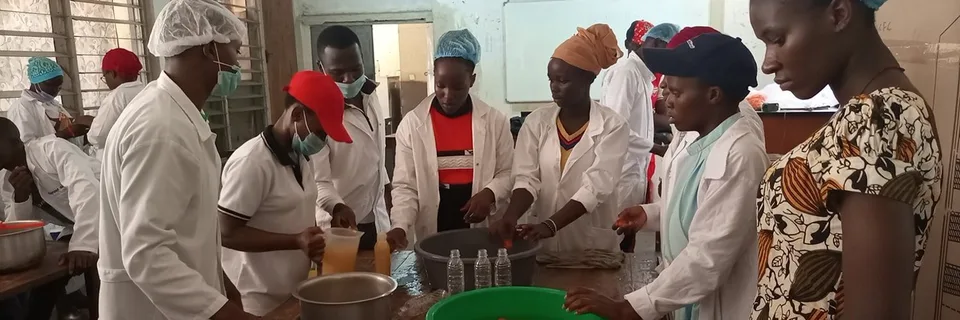
This two-year project, in collaboration with EGOLI Africa, will empower 25 teenage mothers through vocational training and financial support. Activities include:
· One-year training in tailoring, fashion and designing, catering, hairdressing, basic business literacy, and agribusiness.
· Monthly stipends of UGX 50,000 ($8,500 total) during training.
· Distributing business startup kits ($16,666).
· Establishing a $20,000 microcredit scheme prioritizing teenage mothers.
· Conducting community sensitization to reduce stigma.
· Providing mobile health clinics for maternal and child health.
Key Beneficiaries
· Primary: 25 teenage mothers in Kamuli.
· Secondary: Their children, families, and the community through economic contributions.
Expected Outcomes
· 25 teenage mothers gain marketable skills, enabling income generation.
· Increased economic independence through startups and microcredit.
· Reduced stigma through community sensitization.
· Improved maternal and child health via mobile clinics.
Needs and Budget
· Specific Needs:
o Vocational training tuition, lunch and training: $7,333.
o Training materials: $2,666
o Business startup kits (sewing machines, hairdressing tools, agricultural inputs): $16,666.
o Microcredit scheme setup: $10,000.
o Community sensitization campaigns: $5,000.
· Budget: $41,665
Empower 25 teenage mothers to break the cycle of poverty by providing them with skills, health services, and opportunities for a brighter future.
 Peacebuilding and conflict preventionThe Peace and Literacy (PAL) Computer ProjectRead more
 Peacebuilding and conflict preventionWater and Sanitation InterventionsRead more
 Peacebuilding and conflict preventionAddressing Mental Health Challenges in CommunitiesRead more
 Basic education and literacyLiteracy for Life: St. Mbaga Tuzinde Kiwatule Primary School Literacy Development ProjectRead more